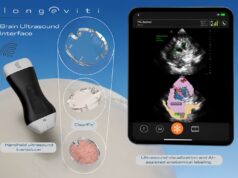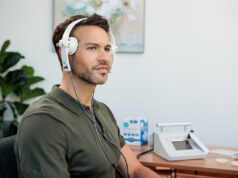
 Intravent Medical Partners has announced that the first patient has been successfully treated with its US Food and Drug Administration (FDA)-cleared Solopass 2.0 ultrasound-guided bedside neuronavigation system in an investigator-initiated clinical trial at Penn State Health Milton S Hershey Medical Center (Hershey, USA). The first-in-human procedure was performed on 22 September 2026.
The study is being led by principal investigator Chris Zacko (Penn State College of Medicine, Hershey, USA) and is evaluating the accuracy of ventricular catheter placement using Solopass 2.0.
“Freehand ventricular catheter placement is widely described in the literature as inaccurate, and every missed or repeated pass adds risk for our patients,” Zacko said. “We believe real-time ultrasound imaging and navigation will improve placement accuracy and safety, and this study is designed to measure that.”
An Intravent press release details that traditional navigation depends on preoperative computed tomography (CT) or magnetic resonance imaging (MRI), and complex registration, which can delay treatment when a critically ill patient must be moved for imaging. Solopass 2.0 instead provides real-time ultrasound imaging and navigation during the procedure, accounting for brain shift and changing pathology. It is built as a platform for image-guided neurosurgery, beginning with ventricular access in the operating room and at the bedside, the release adds.
“Moving from simulated use to clinical use is the milestone that matters,” commented Kevin Foley, Intravent’s chief innovation officer. “Our preclinical study published in Neurosurgery showed Solopass 2.0 was significantly more accurate than freehand placement, with consistent results regardless of experience. This trial is the next step in understanding how that translates to patients.”