
Rapid Medical has announced full results from the DISTALS randomised controlled trial, which were presented today at the 2026 European Stroke Organisation Conference (ESOC; 6–8 May, Maastricht, Netherlands) by co-principal investigator Jeffrey Saver (University of California Los Angeles [UCLA], Los Angeles, USA).
The results show that the company’s Tigertriever 13 device can safely restore blood flow to the brain, and may improve clinical outcomes in patients with distal and medium-vessel occlusion (DMVO) strokes—building on earlier results showing a threefold improvement in blood-flow restoration compared to medical management alone (p<0.0001), with no cases of serious brain bleeding observed in the trial’s treatment group.
“These results show we can now safely restore blood flow and suggest this will make a meaningful difference for the right patients,” said Saver. “What’s important is that both the device and the trial were designed specifically for distal stroke. By using a device built for these small vessels and measuring outcomes at the brain tissue level, we have set the stage for translating flow restoration into better recovery.”
In DISTALS, clinical outcomes at three months show encouraging signals of benefit, as detailed in a Rapid Medical press release. Patients treated with the device demonstrated higher rates of little or no disability—modified Rankin scale (mRS) 0–1—compared with medical therapy alone (41.2% vs 38.2%, respectively), and meaningful recovery among those with moderate-to-severe strokes (mRS 2–5) at baseline, with 69% improving by at least one level of disability compared with 56% in the control group. Additional benefits were observed in patients treated under general anaesthesia.
Furthermore, more than twice as many patients treated with Tigertriever 13 reported a full return to normal quality of life and, at the same time, safety remained strong, with no symptomatic brain bleeding and similar 90-day survival rates between groups.
“We’re seeing meaningful recovery in a patient population where treatment options have historically been limited,” added DISTALS co-principal investigator David Fiorella (Stony Brook University Hospital, Stony Brook, USA). “Nearly three-quarters of more severely disabled patients improved, and outcomes were even stronger with general anaesthesia. That tells us technique and approach matter just as much as the device itself when treating distal occlusions.”
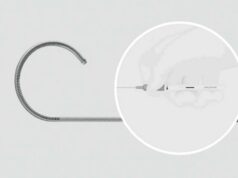
Tigertriever 13 is described by Rapid Medical as the only thrombectomy system designed to actively adjust to the vessel anatomy. The company also says the device has been built specifically for smaller vessels, and supports safe reperfusion and improved outcomes.
Rapid Medical plans to pursue US Food and Drug Administration (FDA) clearance based on these results.