Edoxaban—an oral anticoagulant medication—failed to reduce stroke or systemic embolism but did increase major bleeding in high-risk patients with atrial fibrillation (AF) who had experienced an intracranial haemorrhage (ICH) within the ENRICH-AF trial, from which results were presented for the first time at the 2026 European Society of Cardiology (ESC) congress (28–31 August, Munich, Germany).
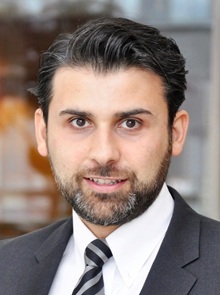
“The ideal strategy to prevent ischaemic stroke is uncertain in patients with AF and a prior ICH, as these patients have been excluded from the large landmark trials assessing oral anticoagulants,” commented Ashkan Shoamanesh (McMaster University, Hamilton, Canada), principal investigator of the ENRICH-AF trial. “This leaves us with a challenging clinical dilemma that is becoming more frequent with our ageing population. Data from small studies indicate that oral anticoagulation may result in net overall benefit among survivors of ICH with AF. We conducted the large ENRICH-AF trial to evaluate the efficacy and safety of oral anticoagulants further in these patients.”
ENRICH-AF was an investigator-initiated, open-label, blinded-endpoint, event-driven trial conducted across 174 sites in 20 countries. Patients with high-risk AF and prior ICH were enrolled. Following data and safety monitoring board (DSMB) review in 2023, no further patients with lobar intraparenchymal haemorrhage or convexity subarachnoid haemorrhage were included because of safety concerns.
Eligible participants were randomised 1:1 to 60mg of edoxaban once daily—with dose adjustments to 30mg daily, according to the label—or no anticoagulation, meaning no antithrombotic therapy or single antiplatelet therapy, as determined by the clinician. The study population included 948 patients who had a mean age of 77 years and 39% of whom were women.
Across an average of 28 months of follow-up, edoxaban did not significantly reduce the primary endpoint of stroke—including ischaemic and haemorrhagic stroke—or systemic embolism compared with no anticoagulation (11.8% vs 12.8%; hazard ratio [HR], 0.88; 95% confidence interval [CI], 0.61–1.26; p=0.48).
Ischaemic stroke and myocardial infarction (MI) were significantly reduced with edoxaban versus no anticoagulation; however, this benefit was offset by an almost three-fold excess in haemorrhagic stroke. And, additionally, the primary safety outcome of International Society on Thrombosis and Haemostasis (ISTH) major bleeding occurred in 11.6% of patients with edoxaban and 5.2% with no anticoagulation (HR, 2.23; 95% CI, 1.39–3.59; p<0.001).
“Our findings do not support the use of edoxaban in unselected patients with AF after ICH, but highlight the need for an individualised decision-making approach,” Shoamanesh added. “Ongoing trials, including the double-blinded, randomised ASPIRE trial comparing apixaban versus aspirin, will add to the evidence base. Additionally, a prospective, individual participant data meta-analysis of all trials—COCROACH—will ultimately provide useful additional insights on how best to individualise optimal stroke prevention in this very vulnerable patient population.”