 Viz.ai has announced a strategic commercialisation collaboration with Johnson & Johnson (J&J) to expand access to Viz.ai’s subdural haemorrhage software solution across hospitals in the USA for the automated detection, labelling and quantification of subdural collections.
By integrating the Viz subdural solution into its neurovascular offerings, J&J aims to support hospitals in identifying appropriate patients and streamlining care pathways for suspected chronic subdural haematoma (cSDH), from detection through treatment and follow-up.
The Viz subdural solution includes US Food and Drug Administration (FDA) 510(k)-cleared algorithms for the detection of subdural haemorrhage, and automated labelling, visualisation and quantification of collections in the subdural space.
The solution is powered by the Viz.ai platform, including Viz Assist, which provides artificial intelligence (AI)-driven chart summarisation to help clinicians quickly contextualise imaging findings within the broader clinical picture. By surfacing relevant patient history, medications, and prior notes, Viz Assist is intended to reduce manual chart review and accelerate clinical decision-making, enabling faster, more informed care coordination, according to Viz.ai.
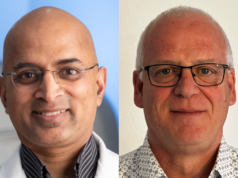
“CSDH is a growing condition with a novel therapeutic procedure, MMA [middle meningeal artery] embolisation, that has been proven effective,” said Chris Mansi, chief executive officer (CEO) and co-founder of Viz.ai. “By collaborating with J&J, we are expanding access to AI-powered detection and coordination tools, including Viz Assist, that may help clinical teams identify patients earlier, align multidisciplinary care, and ultimately support better outcomes for patients undergoing treatment for cSDH.”
As per a Viz.ai press release, this collaboration ultimately aims to help surface suspected cSDH earlier—and standardise point-of-care severity assessment—so clinicians can coordinate across specialties and more reliably identify patients who may benefit from MMA embolisation.