 A new report published in the Chinese Neurosurgical Journal has examined the neurosurgery field’s recent shift towards social media and digital platforms more broadly, with researchers concluding that these platforms have “democratised” neurosurgical knowledge and become an “indispensable” tool—while also creating a number of challenges relating to patient confidentiality, content consistency, and potential conflicts with established guidelines.
The study was led by Bipin Chaurasia (College of Medical Sciences, Bharatpur, Nepal) in collaboration with Ismail Bozkurt (Yuksek Ihtisas University, Ankara, Türkiye). Working with partners across multiple institutions, the authors explored how the digital ecosystem is reshaping neurosurgical education, case discussions, and scholarly activity, providing “a comprehensive look at the academic and collaborative impact of the world’s most active neurosurgical social media community”.
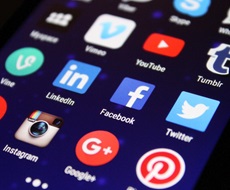
They note that Neurosurgery Cocktail—a large neurosurgery-focused social media group that boasts an extensive presence on Facebook, X, Instagram, Telegram, LinkedIn, Threads, WeChat and WhatsApp—has been central to recent digitally driven shifts in the neurosurgical space since its 2016 launch. According to the authors, the group has grown from a discussion hub into an indispensable platform enabling case consultations, education and collaborative research across more than 100 countries.
“Platforms like Neurosurgery Cocktail have democratised neurosurgical knowledge, allowing a junior resident in a remote region to access expert guidance within hours,” said Chaurasia.
The present study highlights the platform’s “remarkable academic yield”, revealing that—between January 2020 and December 2023—it hosted approximately 1,200 case-focused discussion threads involving radiology images, surgical videos, and complex diagnostic dilemmas. According to Chaurasia and Bozkurt, these posts generated an average of 14.6 expert-level comments, with responses often appearing within three hours, and more than 65% of contributors being board-certified neurosurgeons or academic faculty, underscoring the “high-level discourse” the platform supports. Furthermore, at least 23 PubMed-indexed papers directly resulted from connections and discussions initiated through the platform, which the authors say demonstrates how these digital interactions can translate into measurable scientific output.
According to the authors, several other platforms have played notable roles over the past decade, particularly during the COVID-19 pandemic—a period throughout which the digital transformation accelerated as global travel restrictions forced the neurosurgical community to pivot towards virtual engagement. Webinar tools like Zoom and Microsoft Teams enabled virtual conferences and training sessions, while X-based journal clubs, YouTube channels and society-led educational livestreams expanded opportunities for asynchronous learning, the authors add.
However, they go on to emphasise that social media “is not a substitute for evidence-based medicine”, and rapid online exchanges—though valuable for discussion—lack the validation of peer-reviewed literature and may also conflict with established guidelines.
“Social media should enhance, not replace, formal surgical training and evidence-based practice,” Bozkurt noted.
Their paper in the Chinese Neurosurgical Journal also outlines numerous challenges, including risks of patient confidentiality breaches, inconsistent content quality, medicolegal concerns, and a current lack of standardised evaluation regarding social media’s educational impact. As such, Chaurasia and Bozkurt call for clear professional guidelines and further research to quantify how digital engagement contributes to clinical decision-making, skill development, and career advancement.
“As neurosurgery becomes increasingly integrated with digital media, caution must be exercised to mitigate risks such as misinformation, confidentiality breaches and commercialisation,” they add. “When used responsibly, platforms such as Neurosurgery Cocktail, along with webinars, YouTube channels, and society-based forums, demonstrate the significant potential to enhance education, patient management and research collaboration.”