
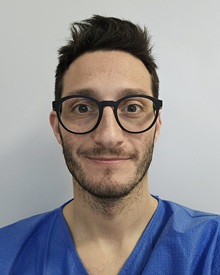
In a preclinical study recently published in the Journal of NeuroInterventional Surgery, Francesco Diana (Barcelona, Spain) and colleagues evaluated whether adding rosuvastatin to aspirin could improve aneurysm healing after flow diversion in a rabbit model. Here, Diana outlines key findings, signals that warrant caution, and where research should go next.
Flow diverters have reshaped the endovascular treatment of intracranial aneurysms, yet two problems persist. Thromboembolic and haemorrhagic complications still occur in the perioperative period, and roughly one in five aneurysms fails to occlude. Both share a common denominator: how quickly and how well the device is covered by healthy neo-tissue. Rather than modifying the device, we asked whether we could pharmacologically improve the biology of the host.
Rosuvastatin was a logical candidate. Beyond lowering lipids, it mobilises endothelial progenitor cells, increases nitric oxide bioavailability, and promotes a less thrombotic endothelium. These effects have already been shown to accelerate re-endothelialisation after stenting and coiling.
We randomised rabbits with elastase-induced aneurysms to rosuvastatin plus aspirin or aspirin alone. Each animal received a bare-metal flow diverter across the aneurysm neck and a second device in the abdominal aorta covering the lumbar branches. At two weeks, complete occlusion was numerically higher with rosuvastatin versus without (84.6% vs 66.6%). All treated aneurysms achieved adequate occlusion, compared with 88.8% of controls. Neither difference reached statistical significance.
The clearest signal concerned side branches. Patency of covered branches ≥1mm was 94.4% with rosuvastatin versus 46.1% with aspirin alone (p=0.007). For branches <1mm, it was 95.4% versus 73.4% (p=0.036). A composite of complete occlusion with all branches patent also favoured rosuvastatin (76.9% vs 22.2%, p=0.011). Serum rosuvastatin levels correlated strongly with endothelial cell coverage of the device (r=0.92), which points to a biological, dose-dependent effect. We saw no signal of excessive neointimal hyperplasia.
These results need perspective. Occlusion and histological strut coverage only showed trends. Endothelial and collagen surface coverage on multiphoton microscopy did not differ between groups. The cohort was small, and four control animals were lost after implantation. Follow-up was limited to two weeks, and we used aspirin monotherapy rather than the dual antiplatelet therapy that is standard in patients. Finally, the rabbit sidewall model cannot reproduce human bifurcation haemodynamics.
Still, I believe the rationale is compelling. Statins are inexpensive, safe and familiar, and many of our patients already have an indication for them. A drug that protects covered branches and supports neck healing would complement surface-modified devices rather than compete with them.
The priority now is a prospective, randomised clinical study of periprocedural rosuvastatin in patients treated with flow diversion. Its endpoints should be occlusion, branch patency and thromboembolic events, ideally stratified by baseline lipid profile. Preclinically, we need longer follow-up, dual antiplatelet regimens, dose-finding work, and head-to-head comparisons with coated flow diverters. If these findings are confirmed, a simple oral drug could become part of the flow diversion toolkit.
Francesco Diana is director of the Neurointervention Unit at Hospital de la Santa Creu i Sant Pau in Barcelona, Spain, and associate professor at Link Campus University in Rome, Italy.
The author disclosed that they are a consultant for Medtronic, Balt, Penumbra, Galaxy Therapeutics and WordMedica, and have received an educational grant from Medtronic. Balt provided the flow diverters used in this study.