 Pharaoh Neuro has announced that the US Food and Drug Administration (FDA) has granted Breakthrough Device designation to its Neurapheresis cerebrospinal fluid (CSF) management system for the accelerated removal of blood and blood-breakdown products from the CSF of patients following aneurysmal subarachnoid haemorrhage (aSAH).
Pharaoh Neuro says it is also participating in the total product lifecycle advisory programme (TAP) pilot, with both Breakthrough Device designation and TAP providing the opportunity for more frequent, interactive engagement with the US FDA as well as streamlined review as the company advances the Neurapheresis system toward potential marketing authorisation.
“The Breakthrough Device designation is a significant milestone for Pharaoh Neuro,” said Amaza Reitmeier, the company’s chief executive officer (CEO). “It validates our belief that Neurapheresis offers significant advantages over existing approved or cleared alternatives. We look forward to working closely with the agency to bring this technology to patients as quickly as possible.”
Outlining the unmet need its Neurapheresis system intends to resolve, a press release from Pharaoh Neuro notes that—after a brain aneurysm is secured—the current standard of care relies on passive, open-loop drainage systems to manage CSF pressure while blood gradually clears from the CSF. No cleared or approved device is currently available to actively remove blood and blood-breakdown products from the CSF, the release adds.
The Neurapheresis system represents a novel approach; it is a closed-loop, external, automated CSF management platform designed to aspirate, filter and return a patient’s CSF, removing blood and blood-breakdown products without introducing replacement fluids. The safety and feasibility of the investigational system were evaluated in the PILLAR-XT clinical trial, which has been published in Neurocritical Care.
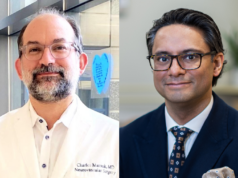
“Significant clinical challenges remain in caring for patients following aSAH,” commented Spiros Blackburn (University of Texas [UT] Health, Houston, USA), lead investigator of the PILLAR-XT study. “In PILLAR-XT, we demonstrated that active filtration accelerates removal of blood and its breakdown products from CSF. These patients have very few new options, and Breakthrough Device designation is a promising step toward making Neurapheresis available for them.”
“Breakthrough Device designation is an important recognition of the clinical need we set out to address,” added Nandan Lad, chief medical officer of Pharaoh Neuro and inventor of the Neurapheresis system. “We remain committed to a rigorous, evidence-based path forward with FDA as we work to bring an active approach to CSF management to patients and clinicians.”