
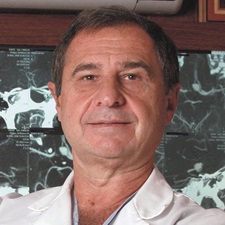
Cerevasc has announced the completion of enrolment in its ETCHES 1 study assessing the eShunt system for the treatment of communicating hydrocephalus. All procedures in the trial were performed by principal investigator Pedro Lylyk (Clinica la Sagrada Familia, Buenos Aires, Argentina) and his team.
“I have witnessed encouraging outcomes in patients treated for communicating hydrocephalus with the eShunt system and am honoured to have led this critical first-in-human evaluation of post-SAH [subarachnoid haemorrhage] hydrocephalus,” Lylyk commented. “This minimally invasive procedure offers a promising option for patients who would otherwise be treated with a ventriculoperitoneal [VP] shunt, a treatment that can be effective but may be associated with a high rate of complications.”
The ETCHES 1 study is a single-centre, open-label, single-arm pilot study examining the feasibility, safety and performance of the eShunt system in adults who develop communicating hydrocephalus due to increased intracranial pressure following post-aneurysmal SAH.
Study participants presented with acute SAH and subsequently developed communicating hydrocephalus requiring permanent cerebrospinal fluid (CSF) diversion following treatment of the haemorrhage. They were treated with the investigational eShunt system, which includes a proprietary delivery mechanism and a permanent implant deployed via a minimally invasive neurointerventional procedure. The eShunt system is designed to drain excess CSF from the intracranial subarachnoid space into the venous system.
The study evaluated changes in intracranial pressure and assessed device performance and safety outcomes. Participants will continue to be monitored for safety through 24 months of follow-up after the procedure, according to Cerevasc.
“Treatment of the final patient enrolled in the ETCHES 1 study is another exciting step toward our goal of improving quality of life for people with communicating hydrocephalus,” said Dan Levangie, chairman and chief executive officer (CEO) of the company. “Compared with conventional shunts, which are implanted via open brain surgery, the minimally invasive eShunt system has the potential to reduce recovery time, lower complication rates and substantially enhance the wellbeing for patients with SAH-induced hydrocephalus.”